Special Place of Scenic Beauty / Special Historic Site
Sanbō-in Garden
Momoyama period
This article can be read in about 2 minutes.
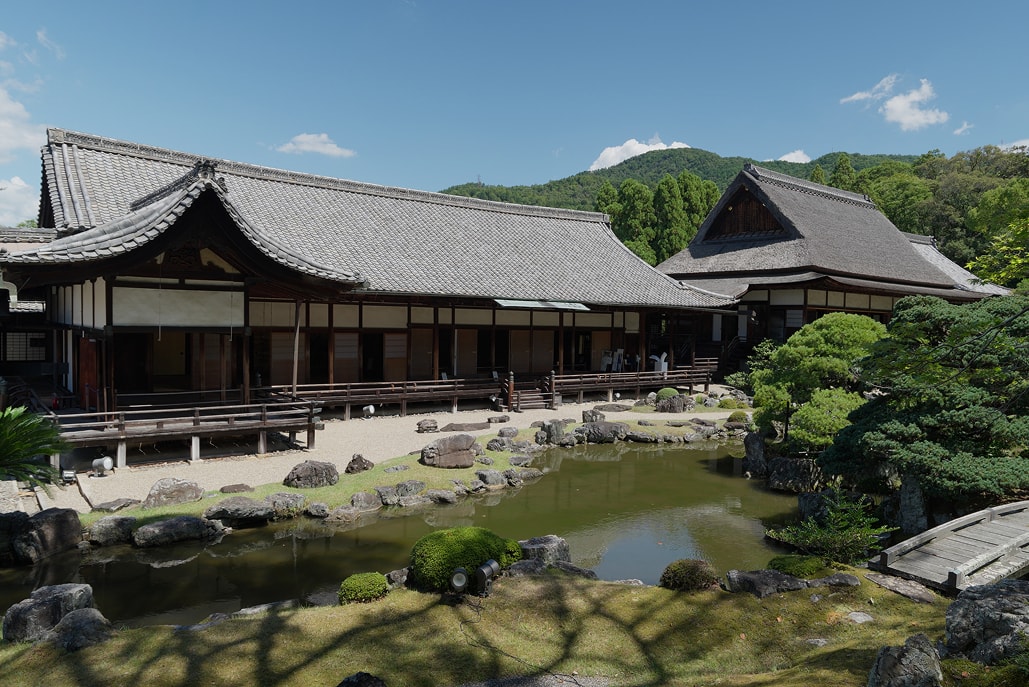
The continuation of the Toyotomi Hideyoshi dream? Fujito Stone: Lost in time with a Momoyama vision
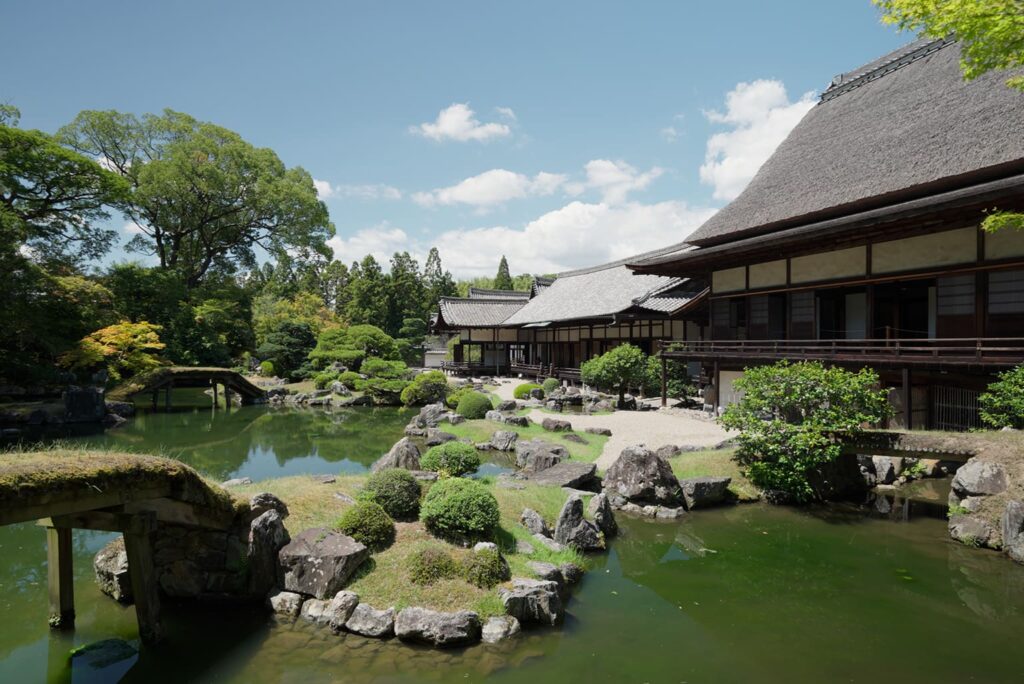
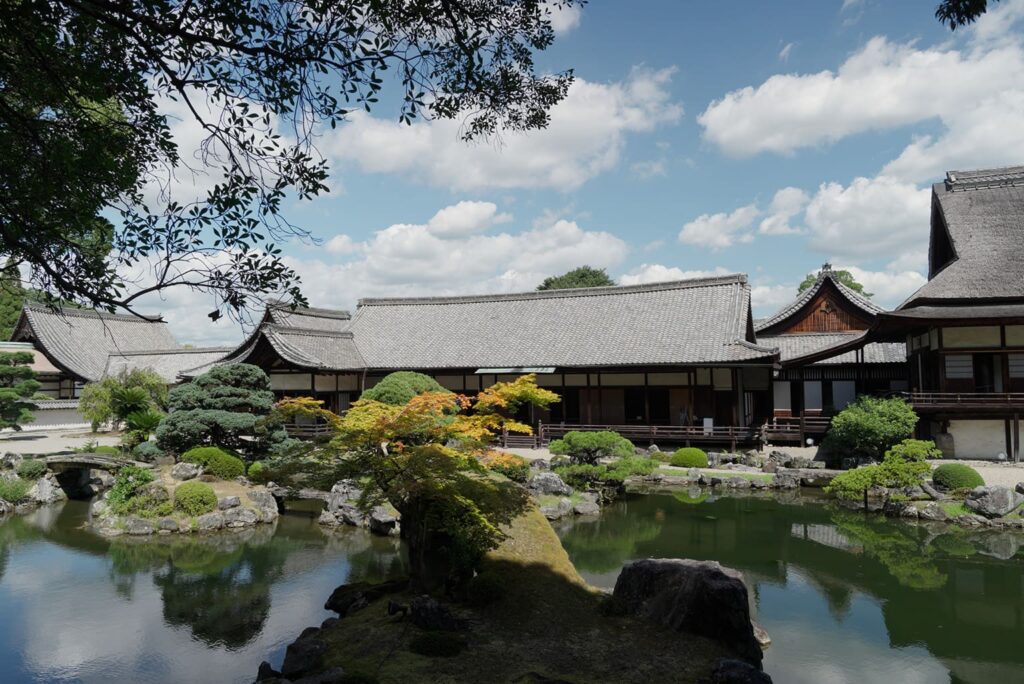
The Sanbō-in Garden is a masterpiece of Momoyama-period (1568–1600) landscaping. According to tradition, the powerful general Toyotomi Hideyoshi (1537–1598) personally designed the garden and appointed three magistrates to oversee its renovation in 1598.
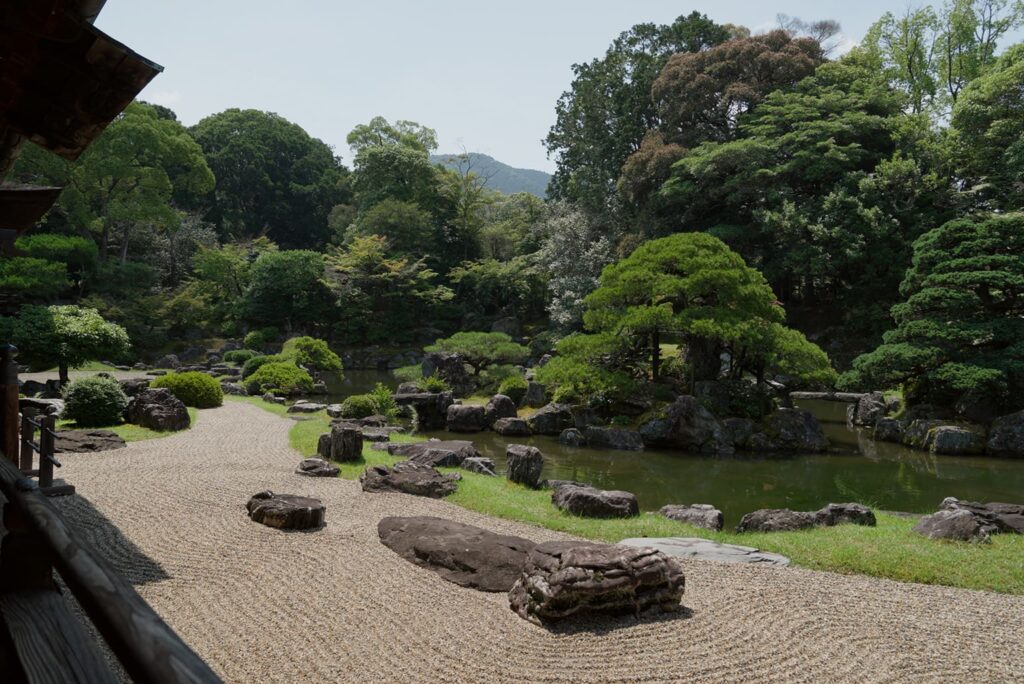
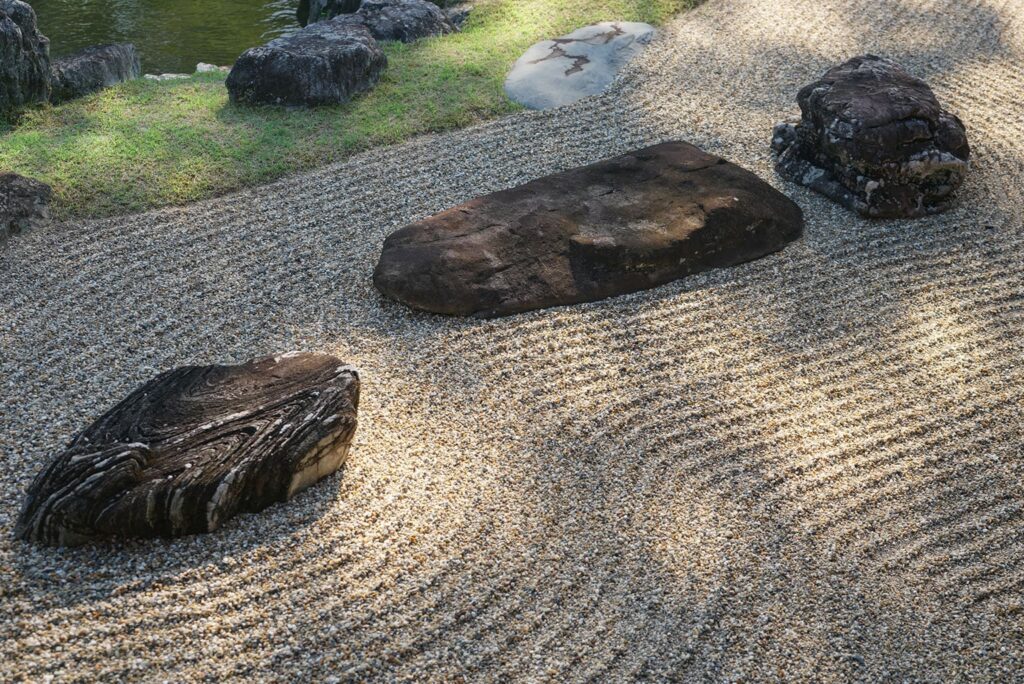
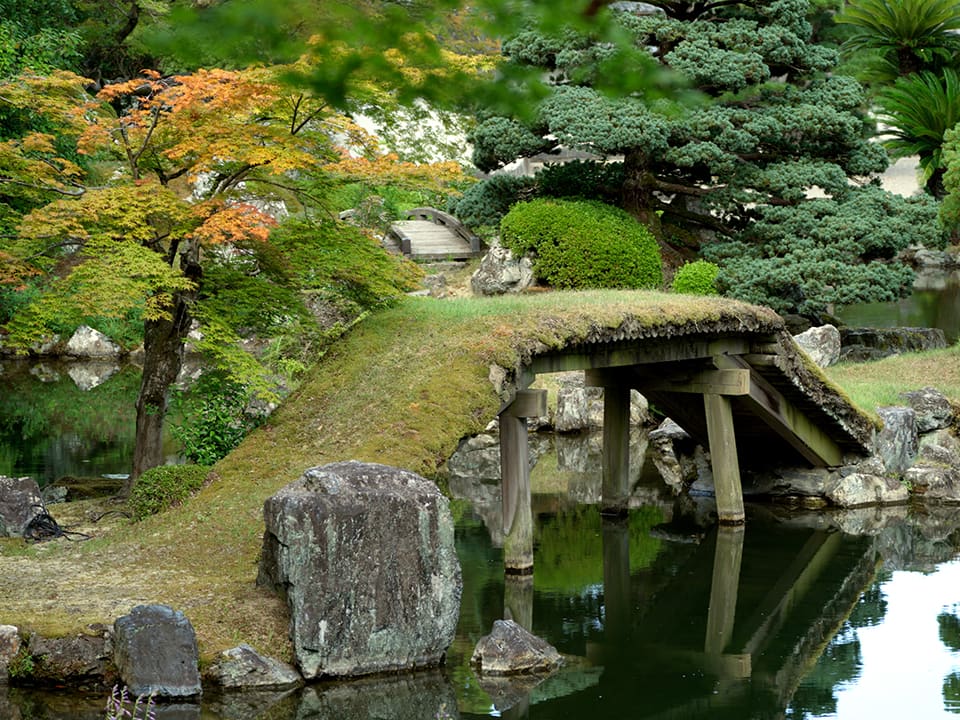
Designed as a “strolling pond” (chisen kaiyūshiki) garden, it features a central pond, three islands, nine bridges, an artificial hill, a waterfall, and the garden’s famous Fujito stone. Tall cedar, chinquapin, and oak trees give the garden a sense of robust elegance.
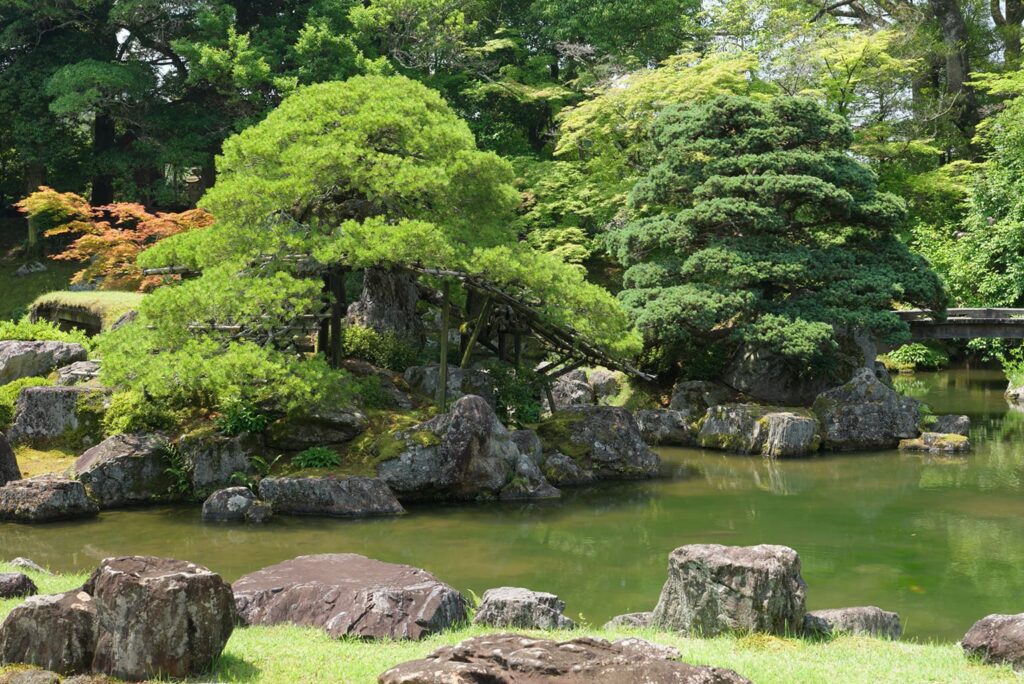
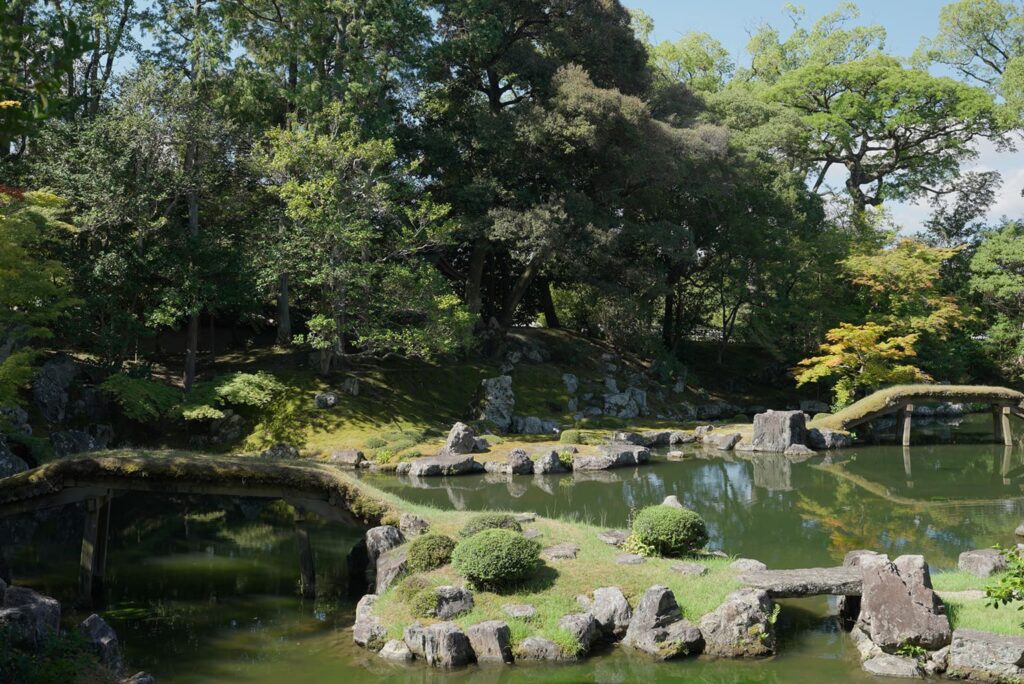
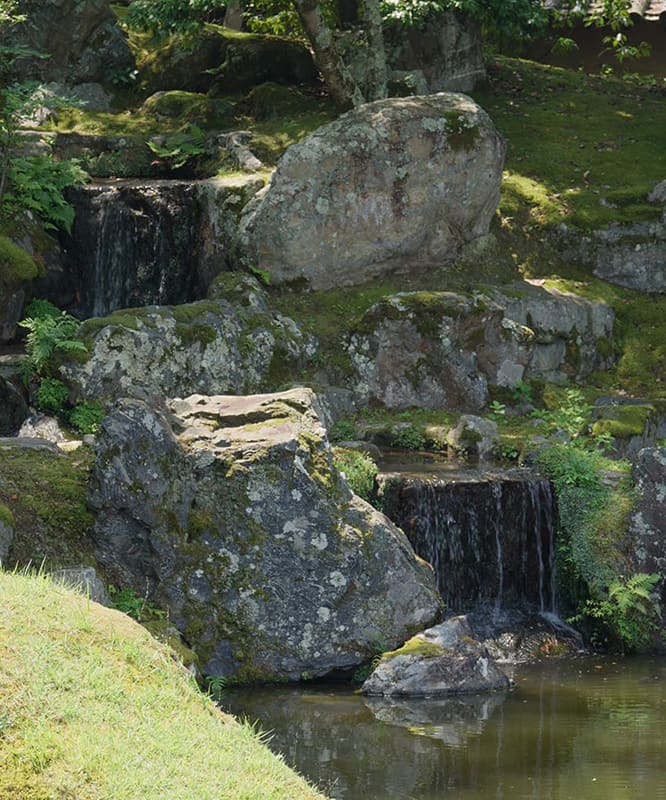
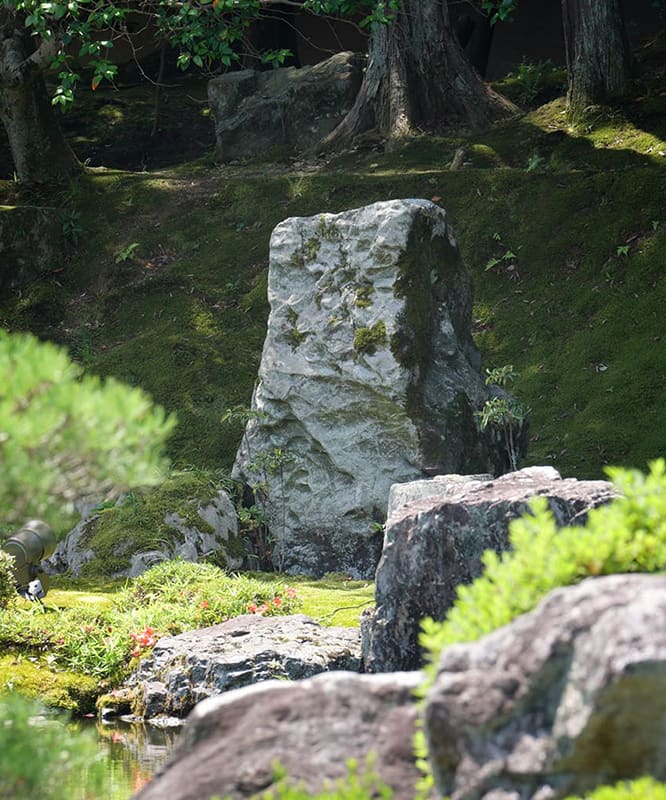
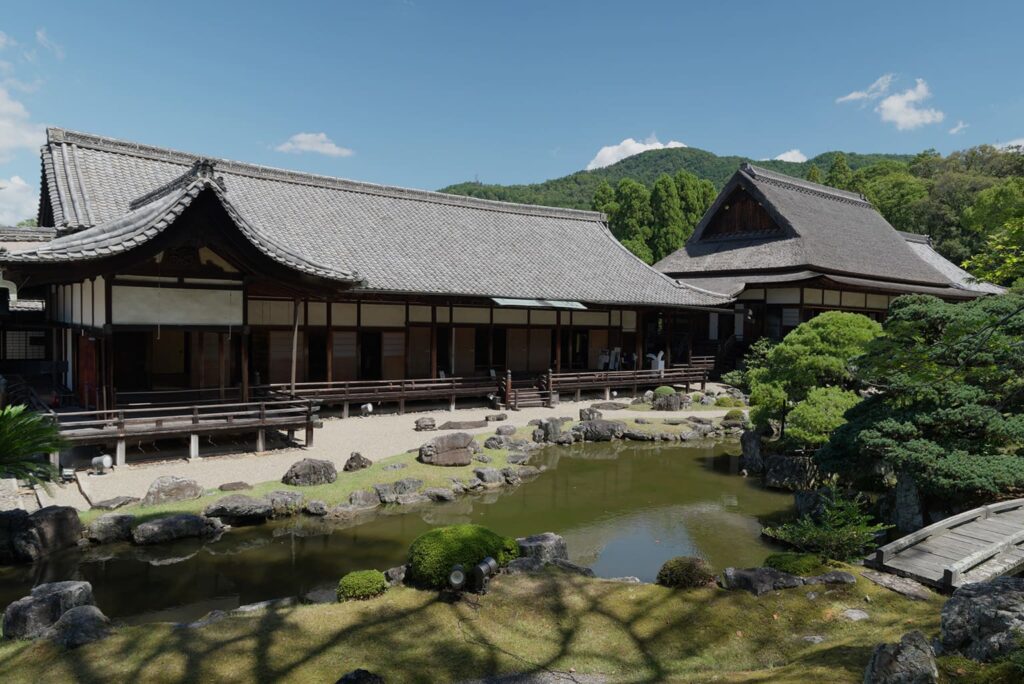
The abbot Gien (1558–1626) continued the development of the garden, shaping it into the landscape we see today. The exquisite balance between the architecture of Sanbō-in Temple and the garden’s natural landscape establishes Sanbō-in Garden as one of the most famous gardens in Japan.
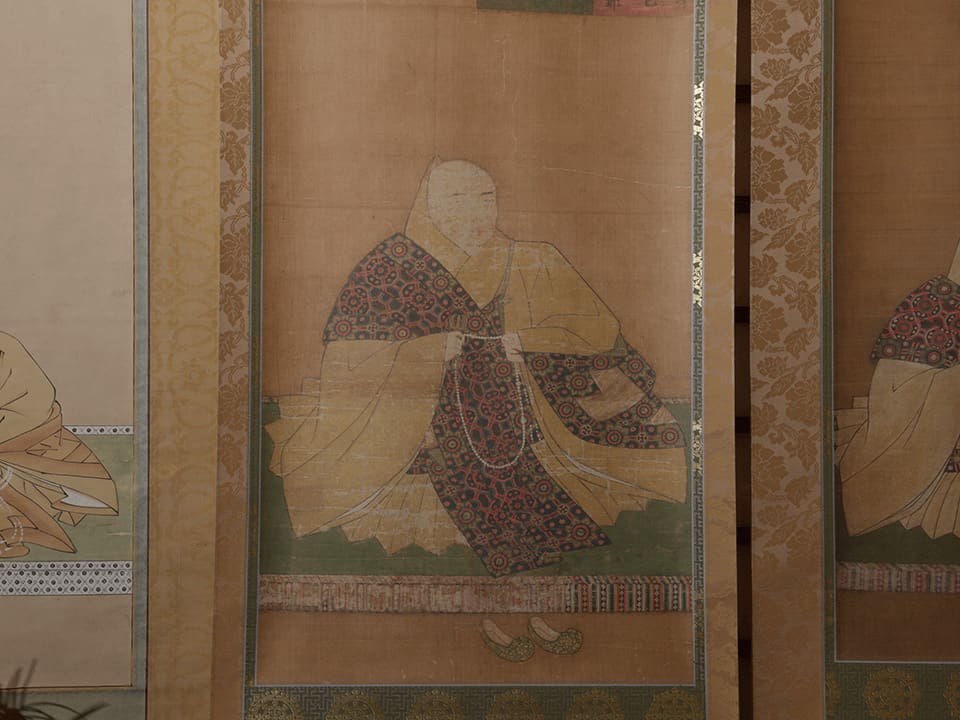
Gien
Gien (1558–1626) was a Shingon priest active from the Azuchi-Momoyama period (1568–1603) to the beginning of the Edo period (1603–1867). He was the head priest of Daigoji Temple’s Sanbōin. Toyotomi Hideyoshi (1537–1598) entrusted him with planning and organizing the Daigo flower-viewing celebration and he maintained Sanbōin’s garden. He devoted his efforts to restoring the temple’s property and rebuilding its structures, and he was also on friendly terms with Tokugawa Ieyasu (1543–1616), Emperor Go-Yōzei (1571–1617) and Emperor Go-Mizunoo (1596–1680).
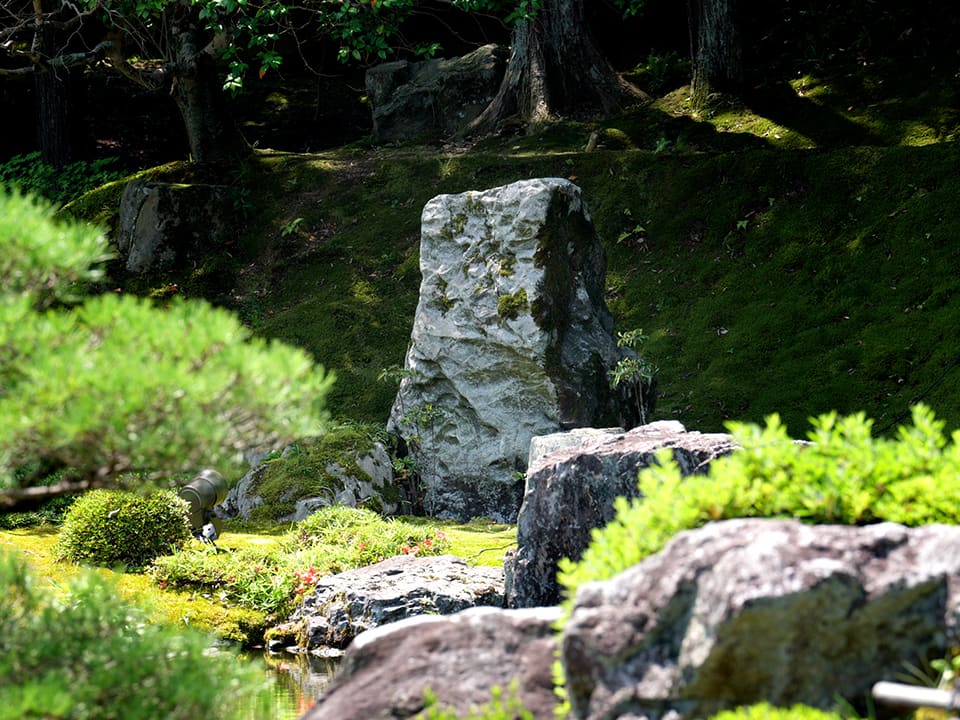
Fujito stone
A stone believed to have originated in Fujito in Bizen Province (now Okayama Prefecture). It was believed to bring victory in battle and was sought after by many powerful daimyo. It is one of the most famous stones in Japan.
artificial hill
An artificial hill that was built in a garden. It is generally a focal component with a combination of a pond.
bridge
central island
An island that is built in the center of the garden pond. The term nakajima is used to distinguish clearly from dejima that means a peninsula.
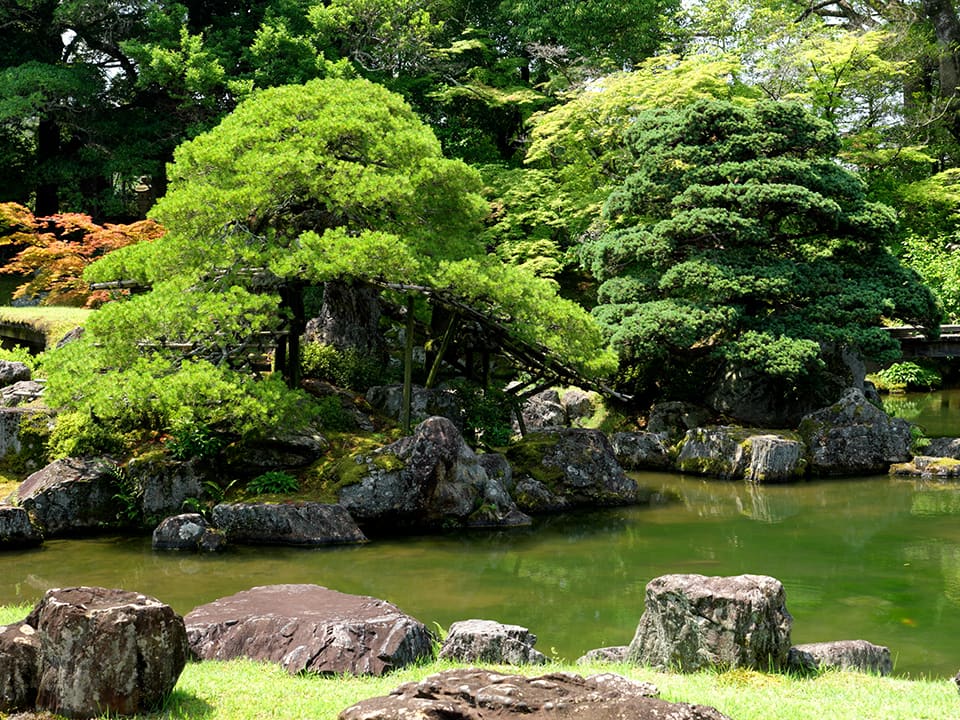
strolling garden with pond
A style of Japanese garden that developed during the Edo period that features a path through a landscaped garden with a large central pond.
garden magistrate
This was a managerial position within samurai and daimyo households, as well as the shogunal government. These officials were in charge of controlling, maintaining, and refitting gardens at large estates or castles.
nawabari architectural blueprint
Nawabari refers to taking the attributes of the land into account when drawing a plan to build a castle or structure. It can also refer to the blueprint or composition of the structure.
Azuchi-Momoyama period
A historical period. It refers to the time from 1568, when Oda Nobunaga entered Kyoto with Ashikaga Yoshiaki, to 1598, when Toyotomi Hideyoshi passed away, or alternatively until 1603, when Tokugawa Ieyasu was appointed as the Shogun and established the Edo shogunate.
Toyotomi Hideyoshi
A warlord in the Azuchi-Momoyama period. First, he served to Oda Nobunaga, and as soon as Nobunaga died due to the Honnoji Incident in 1582, he declared himself as the successor, defeated his enemies and unified the country. From 1583, Hideyoshi began the construction of Osaka Castle, the castle tower of which has a lavish five-story structure on the outside and an eight-story structure inside that was suitable for the supreme ruler. While he was called Hotaiko, luxurious Momoyama culture, including tea ceremonies and paintings of the Kano school, flourished.
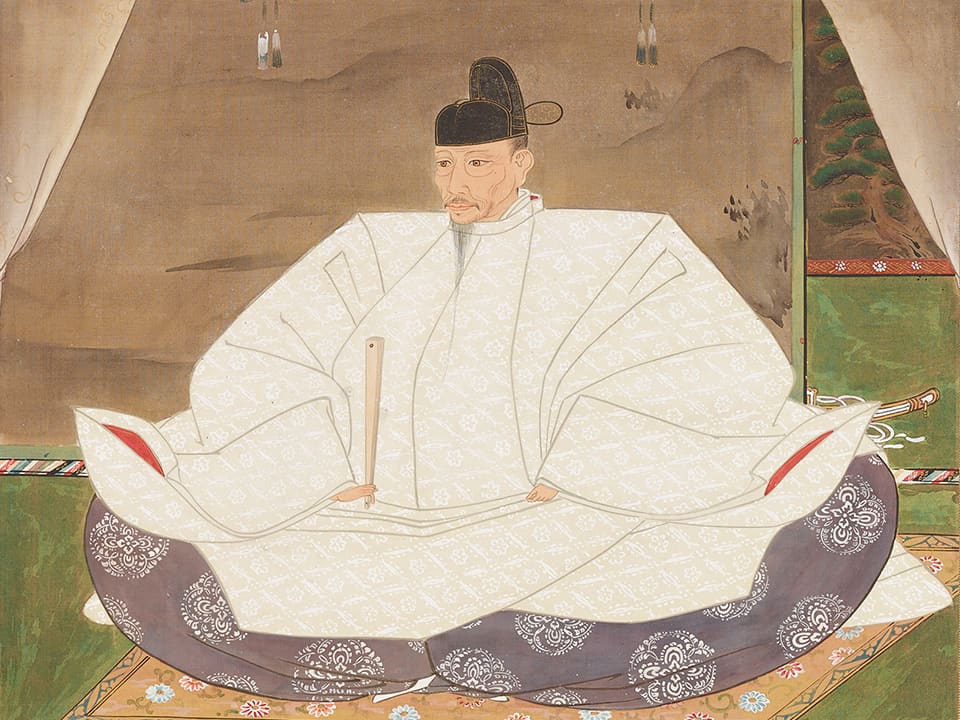
zasu (head priest)
Zasu is a title for a high-ranking or head priest at a Japanese Buddhist temple. It is a particularly important title among the Tendai, Shingon, and Kegon sects.
Momoyama period
During the Momoyama period (1573–1603), the powerful generals Oda Nobunaga (1534–1582) and Toyotomi Hideyoshi (1537–1598) held central control over Japan. The name Momoyama comes from the Momoyama Hills, where Hideyoshi built Fushimi Castle.
MOVIE
Experience the video to get one step closer.
This video, accompanied by narration, introduces the charms of Sanbō-in Garden. Experience its charms even more deeply through the video.
Duration: (audio included)
Share on Social Media


Please respond to our questionnaire.
Estimated length: 30 seconds