About Sanbōin Temple
This article can be read in about 2 minutes.
A Momoyama treasure
where beauty and faith
live as one
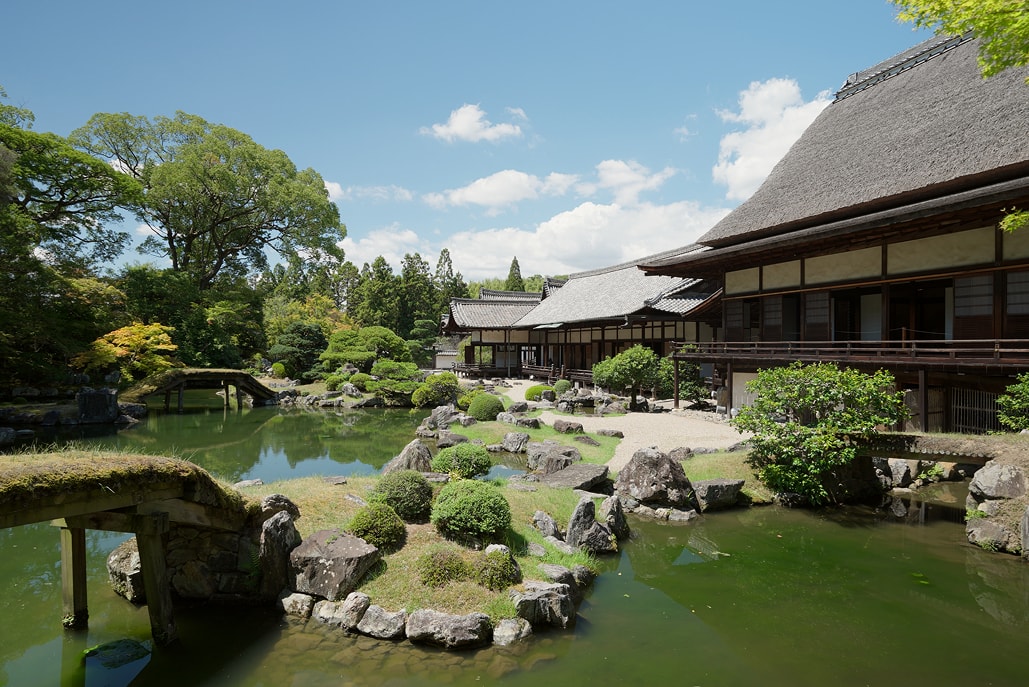
Sanbō-in, the historical residence of the abbots, was built in 1115 by Shōkaku (1057–1129), the 14th head of Daigo-ji. The current structure dates to 1598, when it was reconstructed as a part of the 16th-century renovation program by Toyotomi Hideyoshi. The name Sanbō-in derives from sanbō, the Japanese translation of the Sanskrit term triratna and the Buddhist concept of the Three Jewels’ that refers to the Buddha, the Dharma (the law as taught by Buddha), and the Sangha (or monastic community).
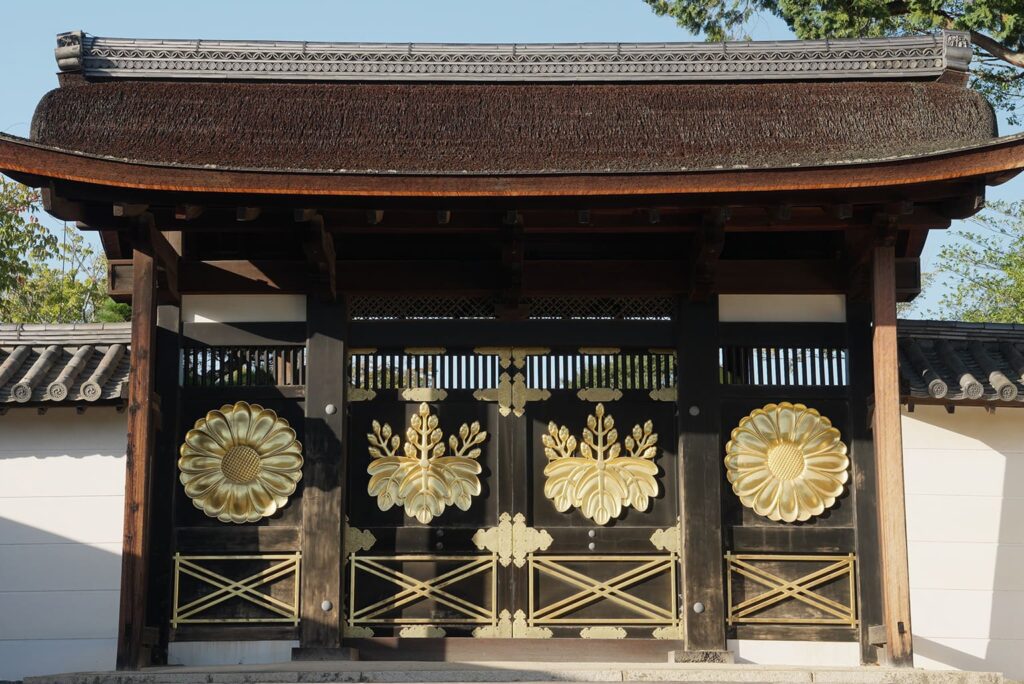
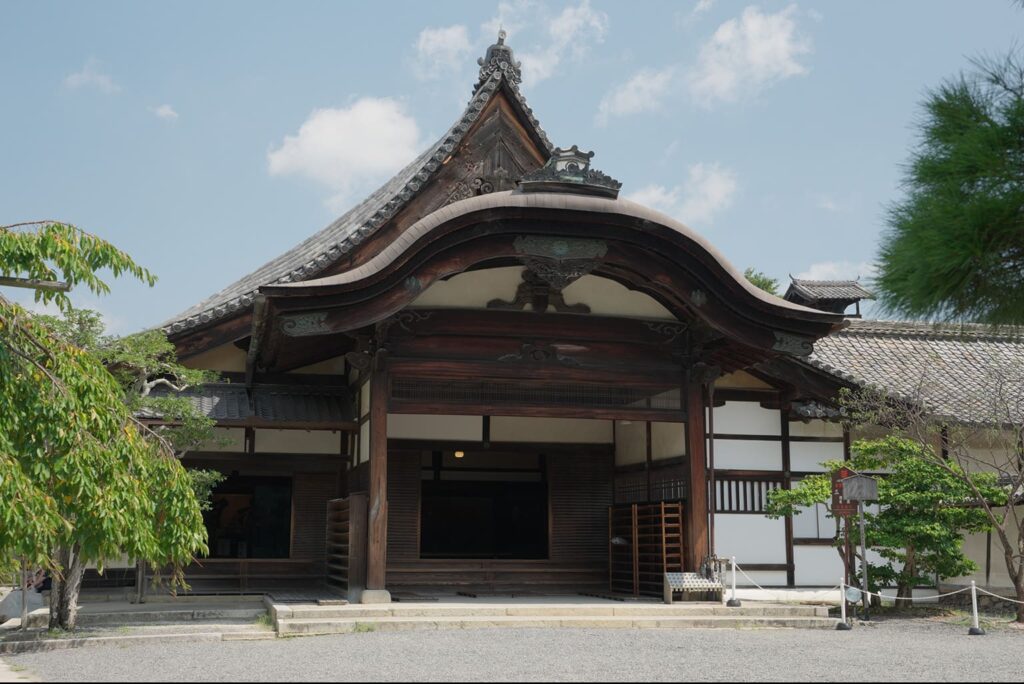
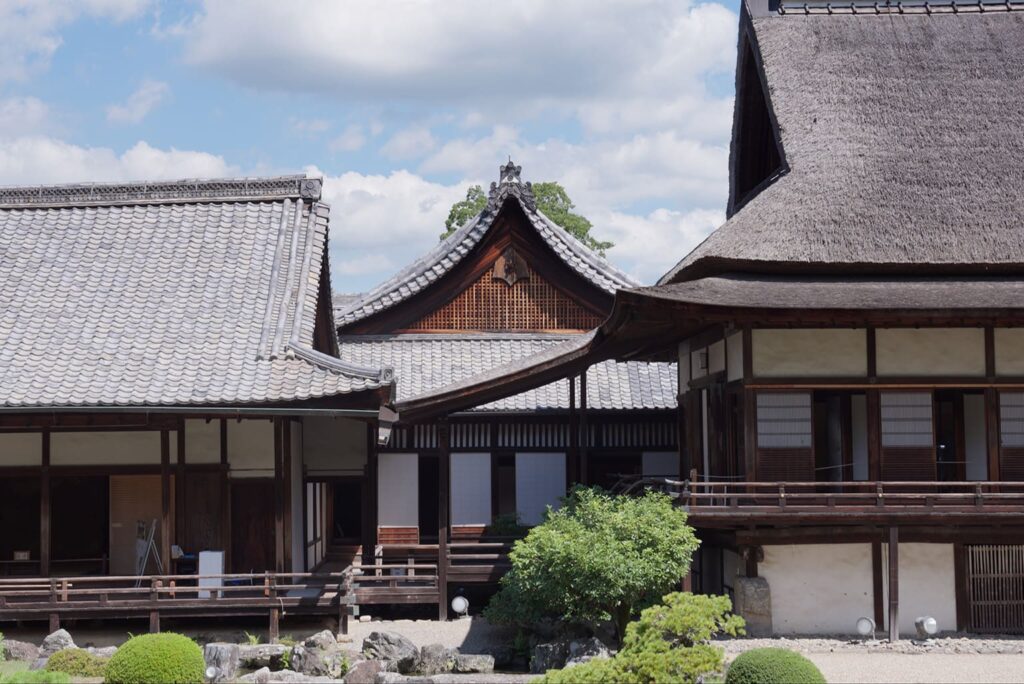
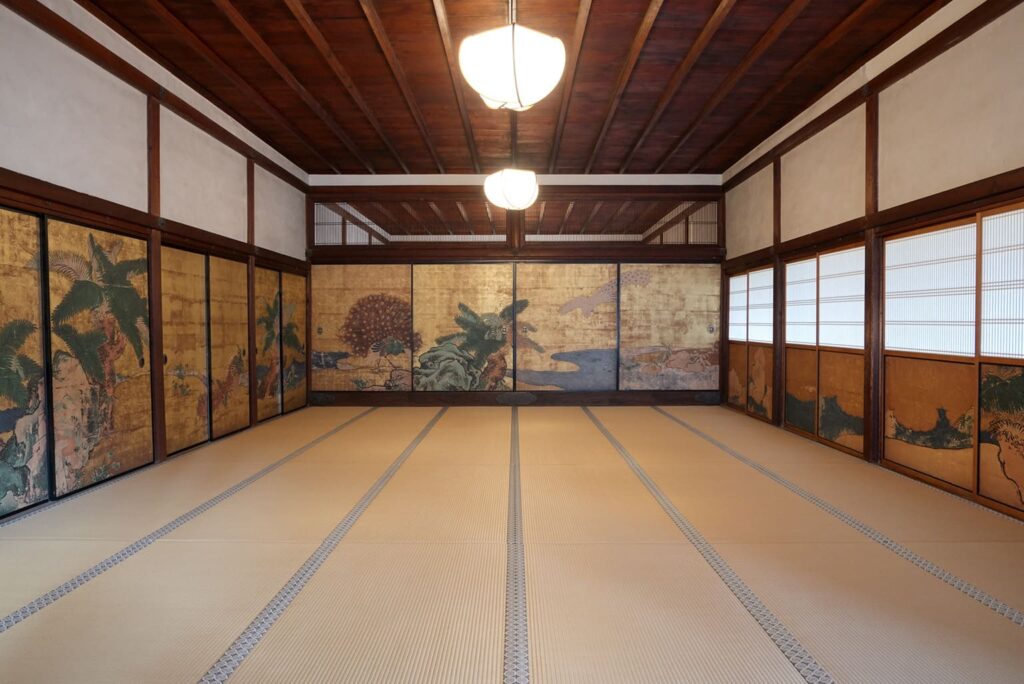
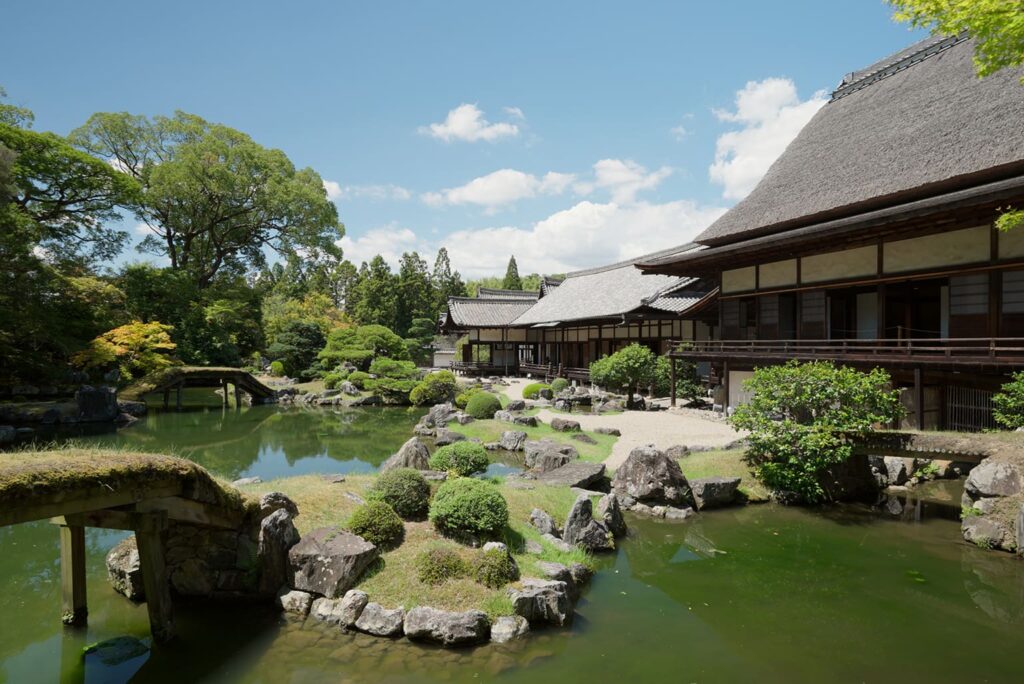
The Sanbō-in residence is composed of several buildings and a garden that extends over more than 5,000 ㎡ (ca. 5980 yd). The stately Drawing Room Omote-Shoin is a classic example of the architecture and interior design from the Momoyama period (1568–1600). The sliding door panels here are decorated with paintings on gold-leaf, a departure from the more somber adornments favored in earlier periods.
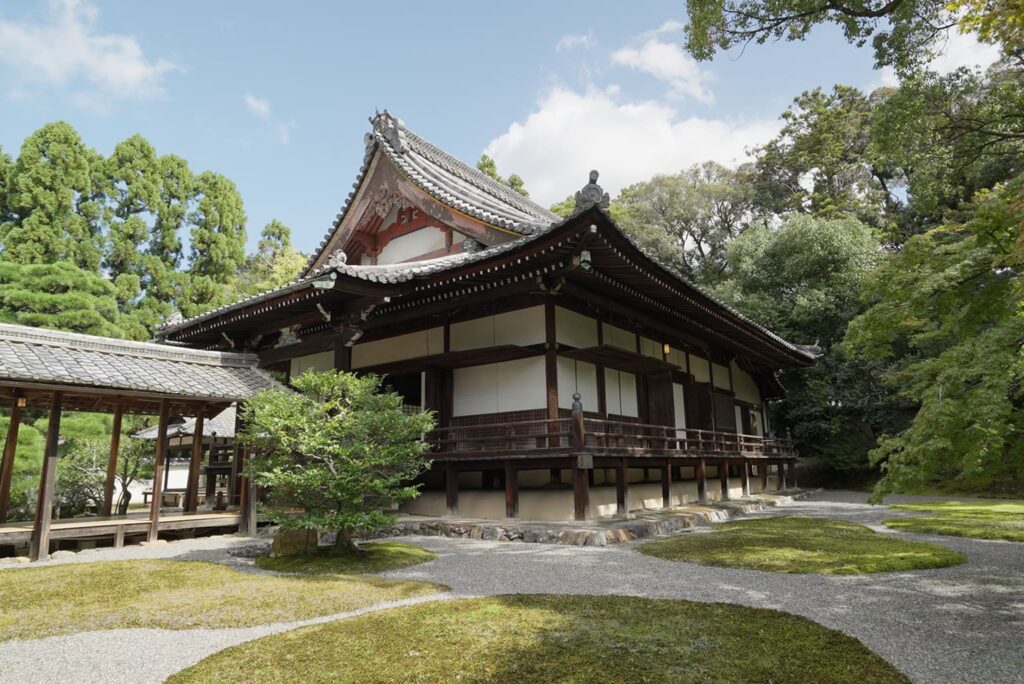
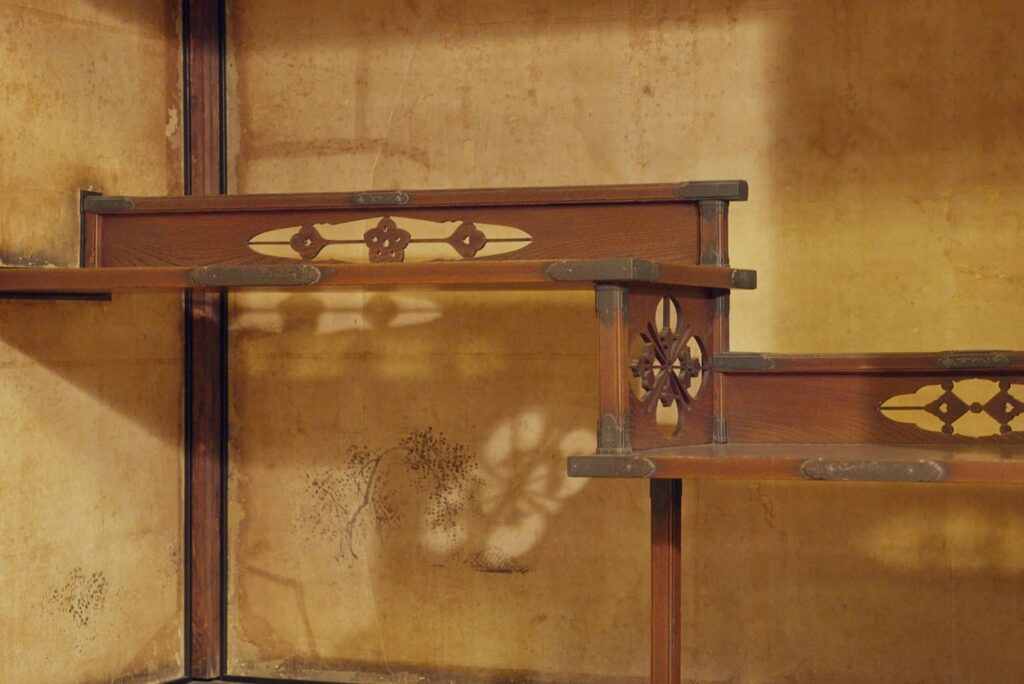
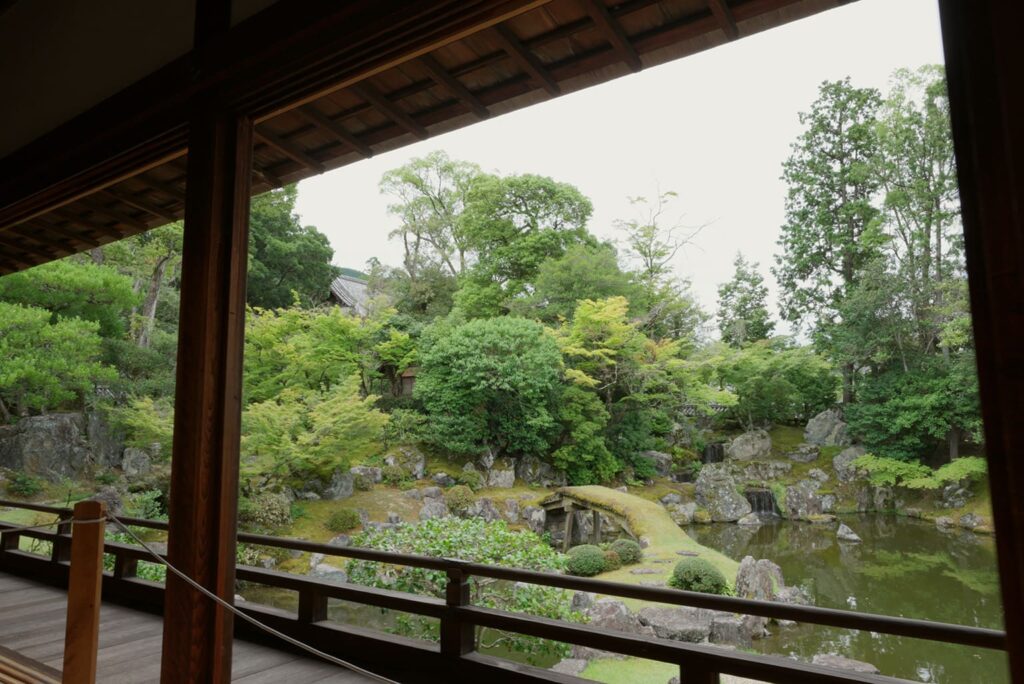
The garden of the residence is carefully designed to allow for greatest visual impact when viewed from inside. This design is attributed to Toyotomi Hideyoshi himself, who famously held an opulent banquet during the cherry blossom season in 1598, rebuilding Sanbō-in especially for this occasion. The garden has remained a popular spot for viewing the blossoms in spring to this day, featuring stones, ponds, waterfalls and moss, all of which represent an idealized nature and act as traditional elements of Japanese horticultural design.
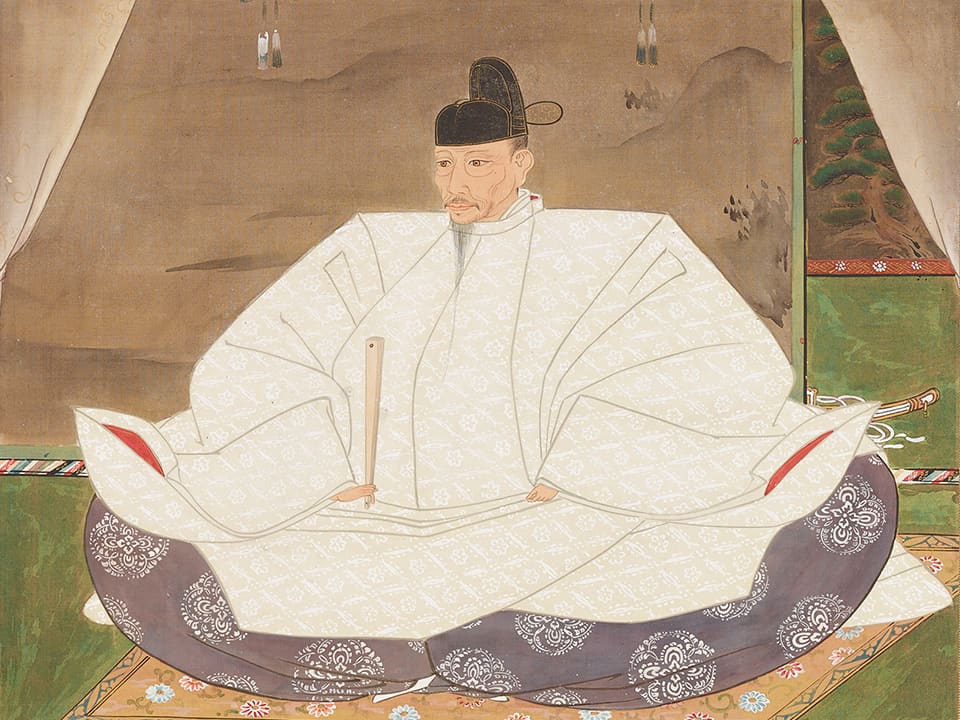
Toyotomi Hideyoshi
A warlord in the Azuchi-Momoyama period. First, he served to Oda Nobunaga, and as soon as Nobunaga died due to the Honnoji Incident in 1582, he declared himself as the successor, defeated his enemies and unified the country. From 1583, Hideyoshi began the construction of Osaka Castle, the castle tower of which has a lavish five-story structure on the outside and an eight-story structure inside that was suitable for the supreme ruler. While he was called Hotaiko, luxurious Momoyama culture, including tea ceremonies and paintings of the Kano school, flourished.
zasu (head priest)
Zasu is a title for a high-ranking or head priest at a Japanese Buddhist temple. It is a particularly important title among the Tendai, Shingon, and Kegon sects.
Shōgaku
Shōgaku (1057–1129) was a Shingon Buddhist priest active during the late Heian period (794–1185). He was the fourteenth head priest of Daigoji Temple, and he founded Sanbō-in Temple (then Kanjōin Temple) in 1115. He also served as senior priest of Tōji Temple and administrator of Tōdaiji Temple.

Momoyama period
During the Momoyama period (1573–1603), the powerful generals Oda Nobunaga (1534–1582) and Toyotomi Hideyoshi (1537–1598) held central control over Japan. The name Momoyama comes from the Momoyama Hills, where Hideyoshi built Fushimi Castle.
MOVIE
Experience the video to get one step closer.
This video, accompanied by narration, introduces the charms of About Sanbōin Temple. Experience its charms even more deeply through the video.
Duration: (audio included)
INFOMATION
Daigoji Sanbōin Temple
22 Higashi-Oji-cho, Daigo, Fushimi-ku, Kyoto-shi
[Visiting hours]
Summer hours: 9:00 AM - 5:00 PM (March 1 to the first Sunday of December)
Winter hours: 9:00 AM - 4:30 PM (Day after the first Sunday of December to the end of February)
*No admission within 30 minutes of closing time.