Important Cultural Property
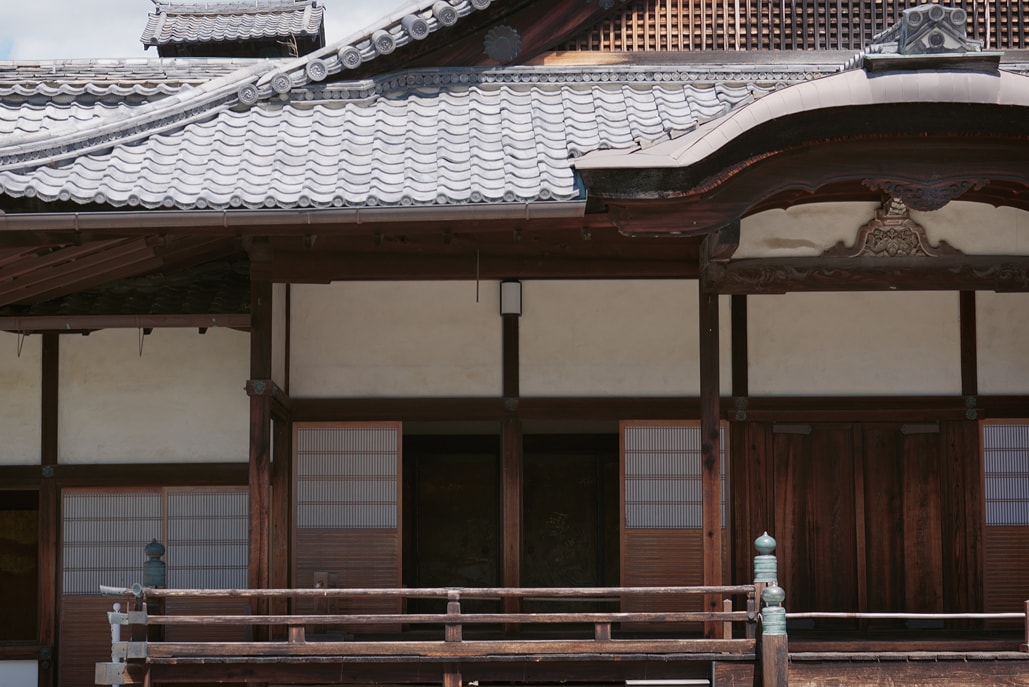
Akikusa no ma
Momoyama period (1598)
Akikusa no ma: 15-mat room
broad low veranda (hiroen)
Carriage porch
Single Tier
hip-and-gable style (irimoya-zukuri)
Front-facing gable
sangawara roof tile
Carriage porch, Karahafu-style gable
cypress bark
This article can be read in about 2 minutes.
A painting of autumn grasses: You can almost hear the insects hum
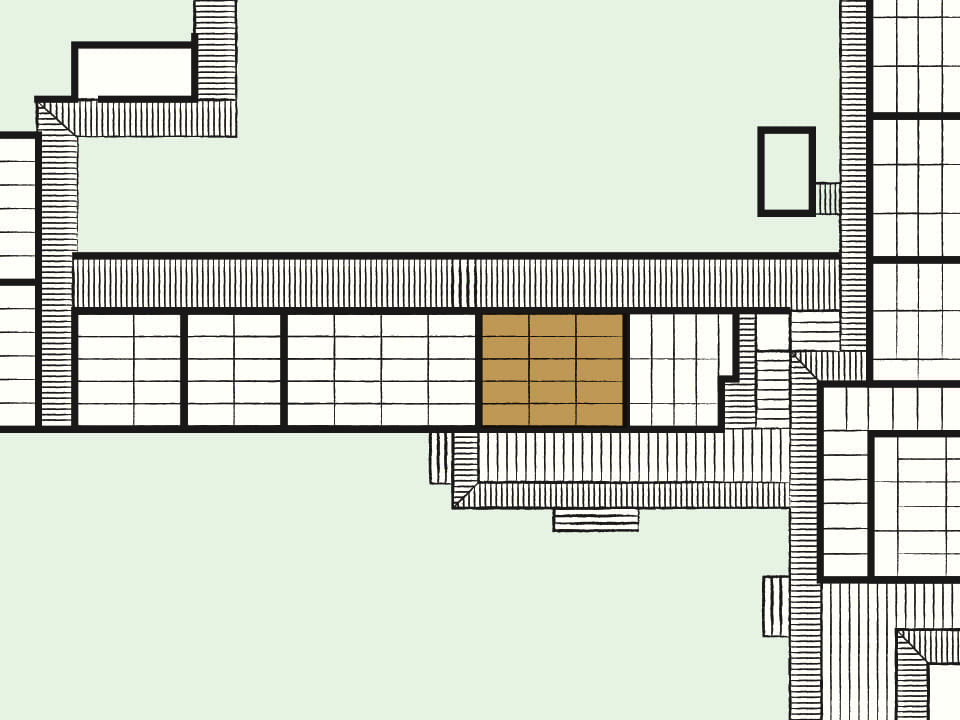
The Akikusa no ma (Room of Autumn Grasses) and the Chokushi no ma (Room of the Imperial Envoy) are the second and third of the three reception rooms near the entrance of the Sanbō-in. In a manner that is typical of this traditional architectural style, the rooms decrease in size as the level of the floor, and with it the status, of each room rises.
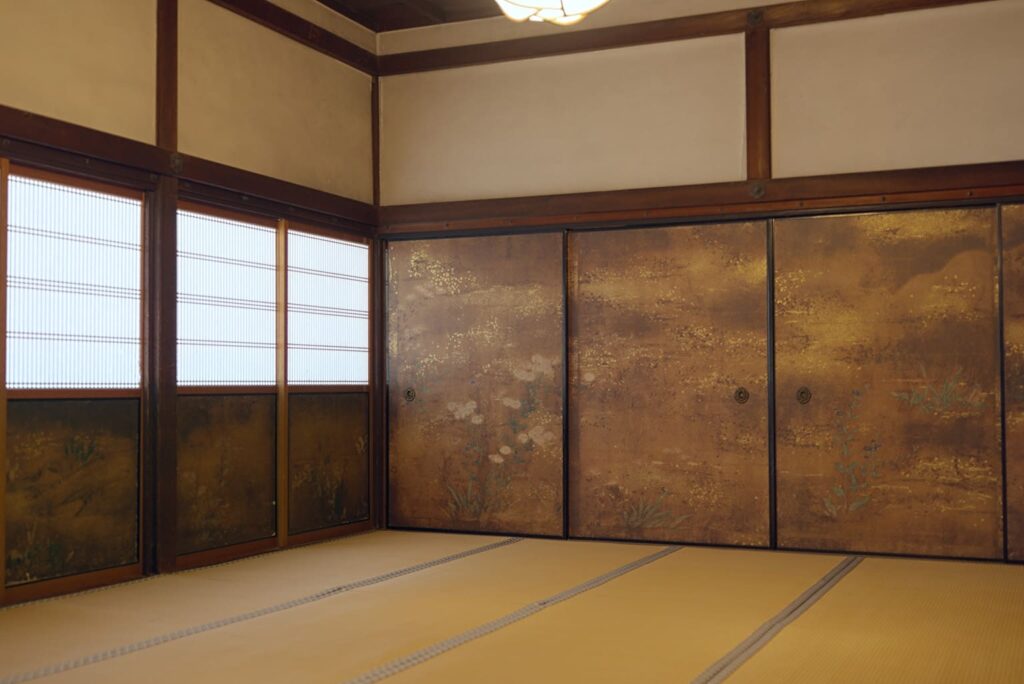
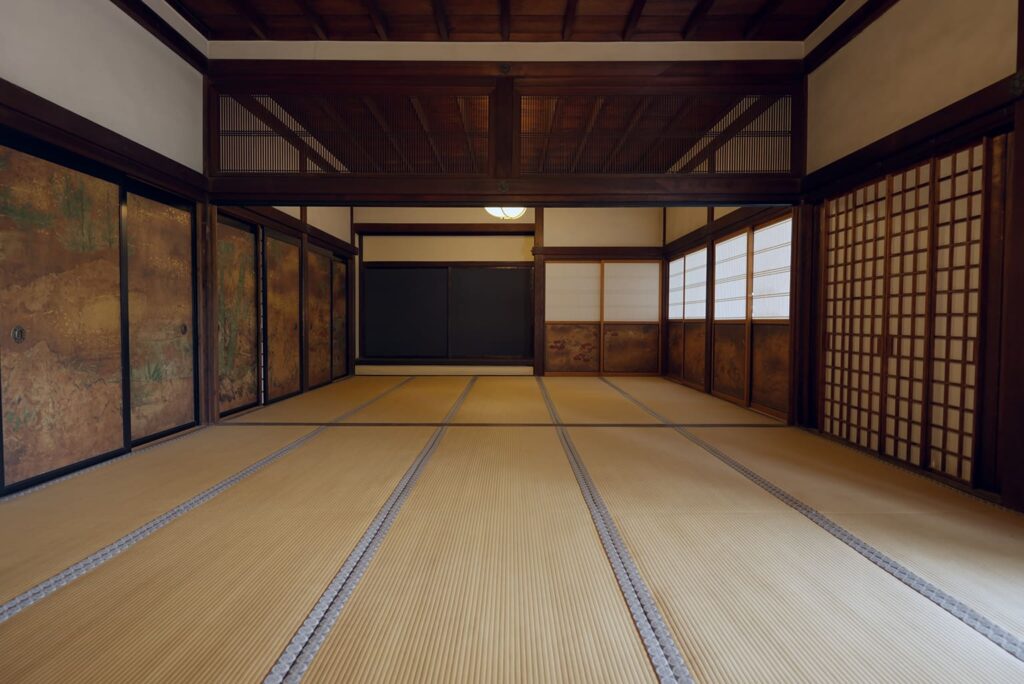
The second room Akikusa no ma, 15 tatami mats in size, takes its name from the seven flowering grasses of autumn, which has long been a theme of Japanese painting and poetry.
The Chokushi no ma is furthest from the entrance, smallest in size (10 tatami mats), and highest in status (and floor height). Both rooms have been adorned with painted sliding doors by the artists from the school of Hasegawa Tōhaku. The Chokushi no ma is decorated with depictions of bamboos and flowers, representing spring in contrast to the autumn grass, one of the central traditional motives of Japan. The serene glow of the bamboo forest in the painting was elaborately decorated with silver pigments, which unfortunately have oxidized to black, but still demonstrating a sophisticated design of the interior to welcome the imperial envoys.
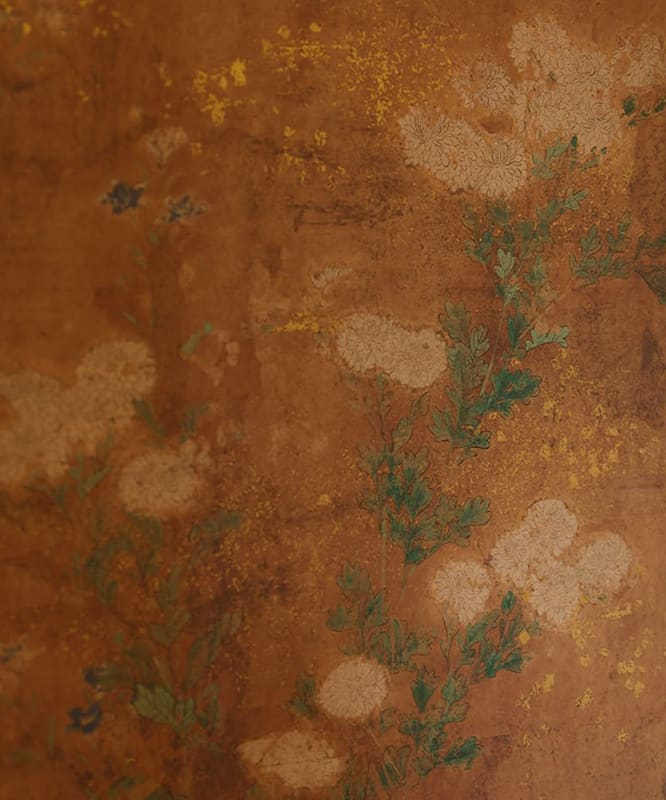
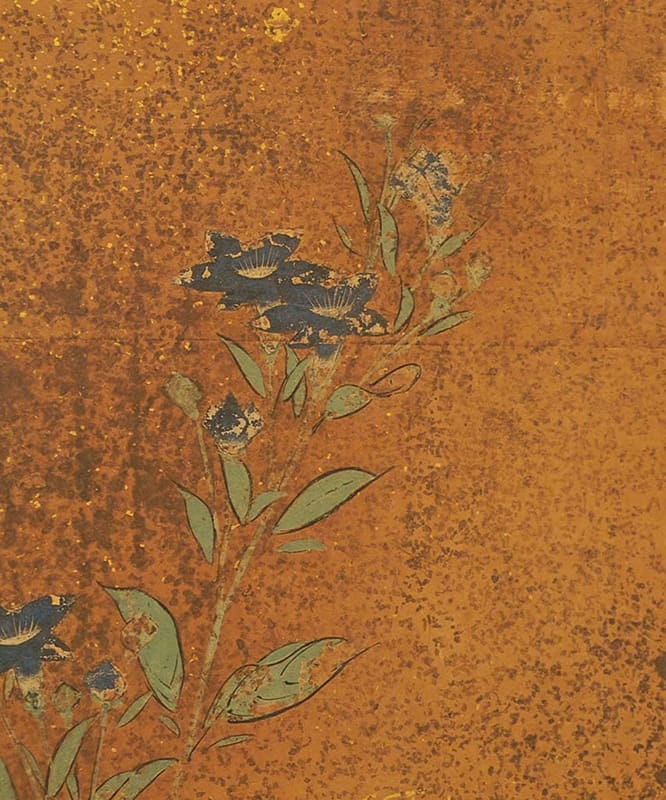
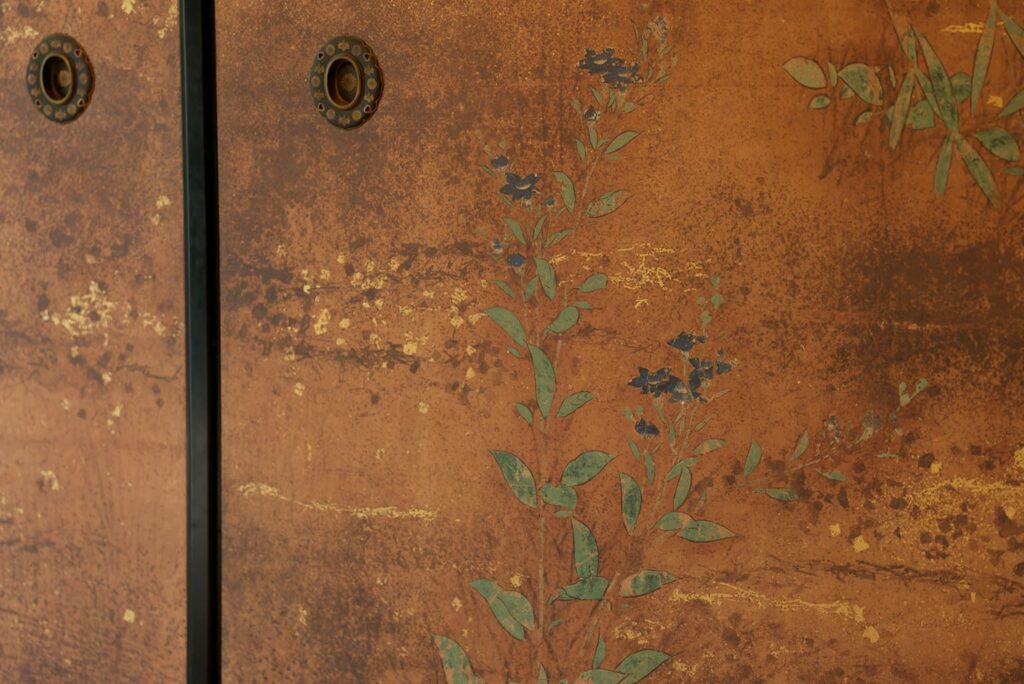
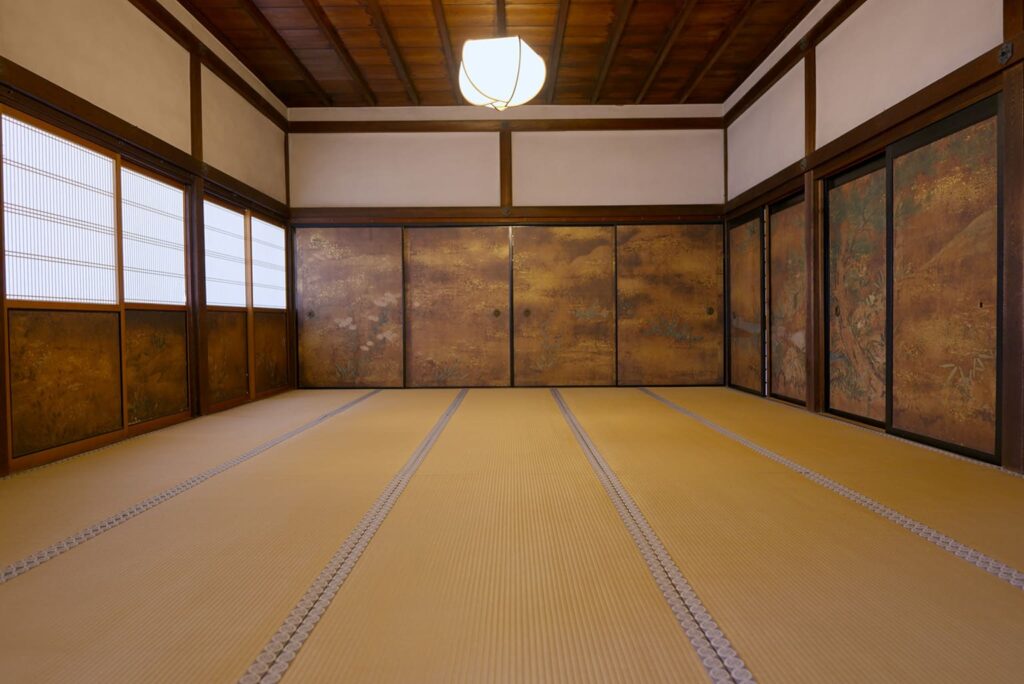
seven herbs of autumn
The seven herbs of autumn are bush clover (hagi), Japanese silver grass (obana), kudzu, fringed pink (nadeshiko), Patrinia (ominaeshi), boneset (fujibakama), and Japanese bellflower (kikyō). The seven herbs of autumn first appeared in two poems by the master poet Yamanoue no Okura (660?–733?) in the Manyōshū, an eighth-century anthology of poetry. These plants were cherished as symbols of autumn by as early as the Nara period (710–794) and remain well-known seasonal motifs today.
middle room
Hasegawa Tōhaku
Hasegawa Tōhaku (1539–1610) is a representative painter of the Momoyama (1573–1615) and Edo (1603–1867) periods and the founder of the Hasegawa school. He broke new artistic ground with his unique ink paintings and gold and azure wall paintings. His masterpiece is the Pine Trees Folding Screen, a National Treasure considered by many as the pinnacle of Japanese ink painting.
MOVIE
Experience the video to get one step closer.
This video, accompanied by narration, introduces the charms of Akikusa no ma. Experience its charms even more deeply through the video.
Duration: (audio included)
Share on Social Media


Please respond to our questionnaire.
Estimated length: 30 seconds